

Hvad Vand Ved
- en bjergbæk på en vandretur i barndommen, hvor vandet var så koldt, at det gjorde ondt i tænderne, og så rent, at det kun smagte af sig selv.
- en bæk på en gård, hvor vandet er fyldt med mineraler og efterlader en smag på tungen.
Du kender forskellen. Det gør vi alle sammen. Vi er bare holdt op med at tale om den.
Tænk på et glas vand, der har stået på dit natbord hele natten. Om morgenen smager det fladt.
Vandet er stadig H₂O og overholder fortsat alle sikkerhedsstandarder. Men bevægelsen er forsvundet.
Uden den blide bevægelse, som vandet udsættes for i en bæk eller en kilde, slapper noget i dets struktur af og går i dvale.
Alle gamle kulturer vidste det. Hver bedstemor, der sagde "lad vandet trække vejret", vidste noget, vi har glemt i jagten på nemme løsninger.
Vand reagerer på omverdenen. Det bærer spor af det, det er strømmet igennem, både kemisk og strukturelt. Molekylernes opstilling, den måde, de organiserer sig på, er aldrig statisk.
Vi har lært at gøre vandet sikkert. Nu handler det om at gøre det levende igen.

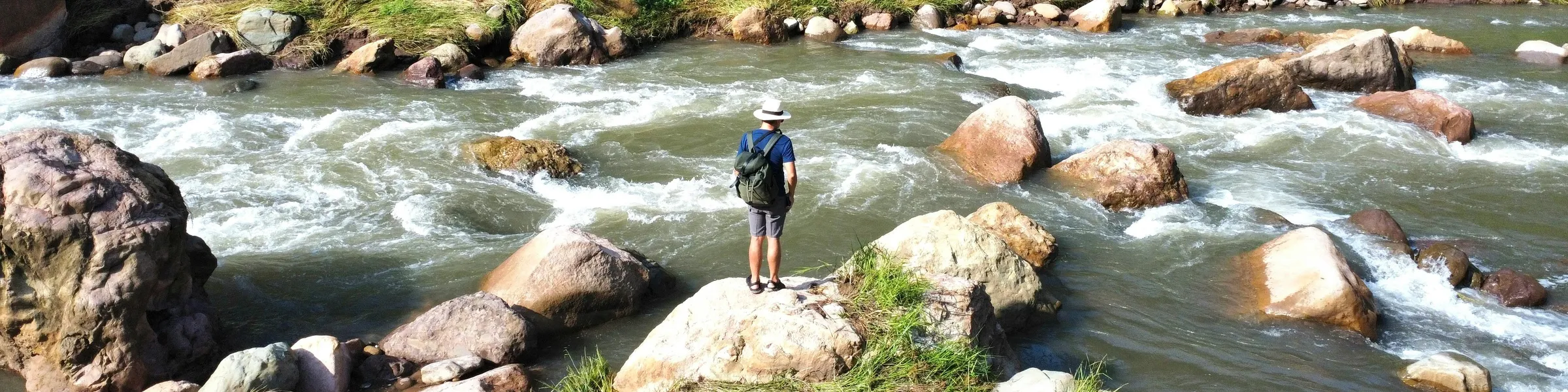
Et Universelt Mønster
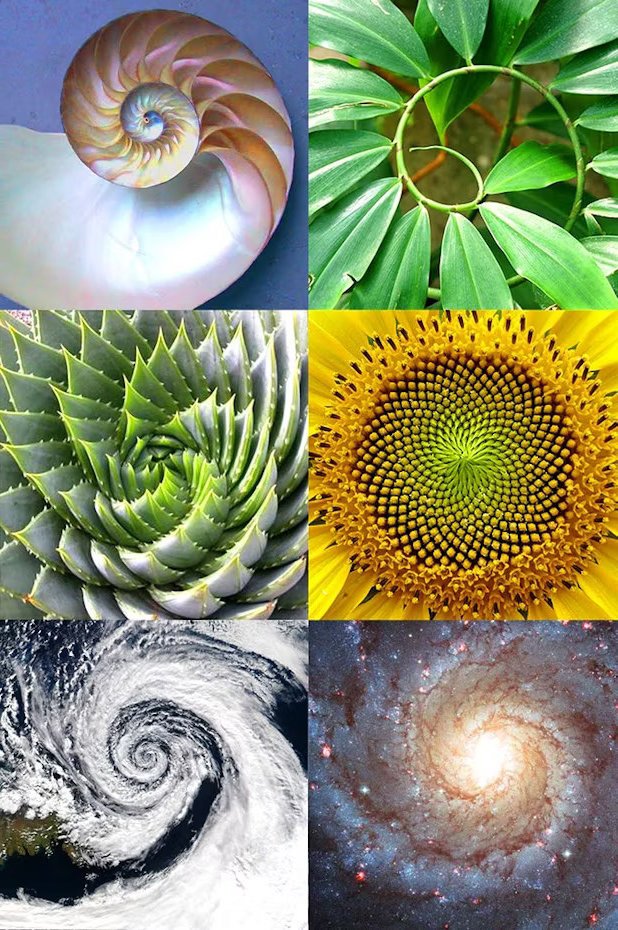
Ligesom alt andet i naturen bevæger vand sig i spiraler.
- Det kan man se i en bjergbæk, hvor hver eneste sten skaber en lille hvirvel.
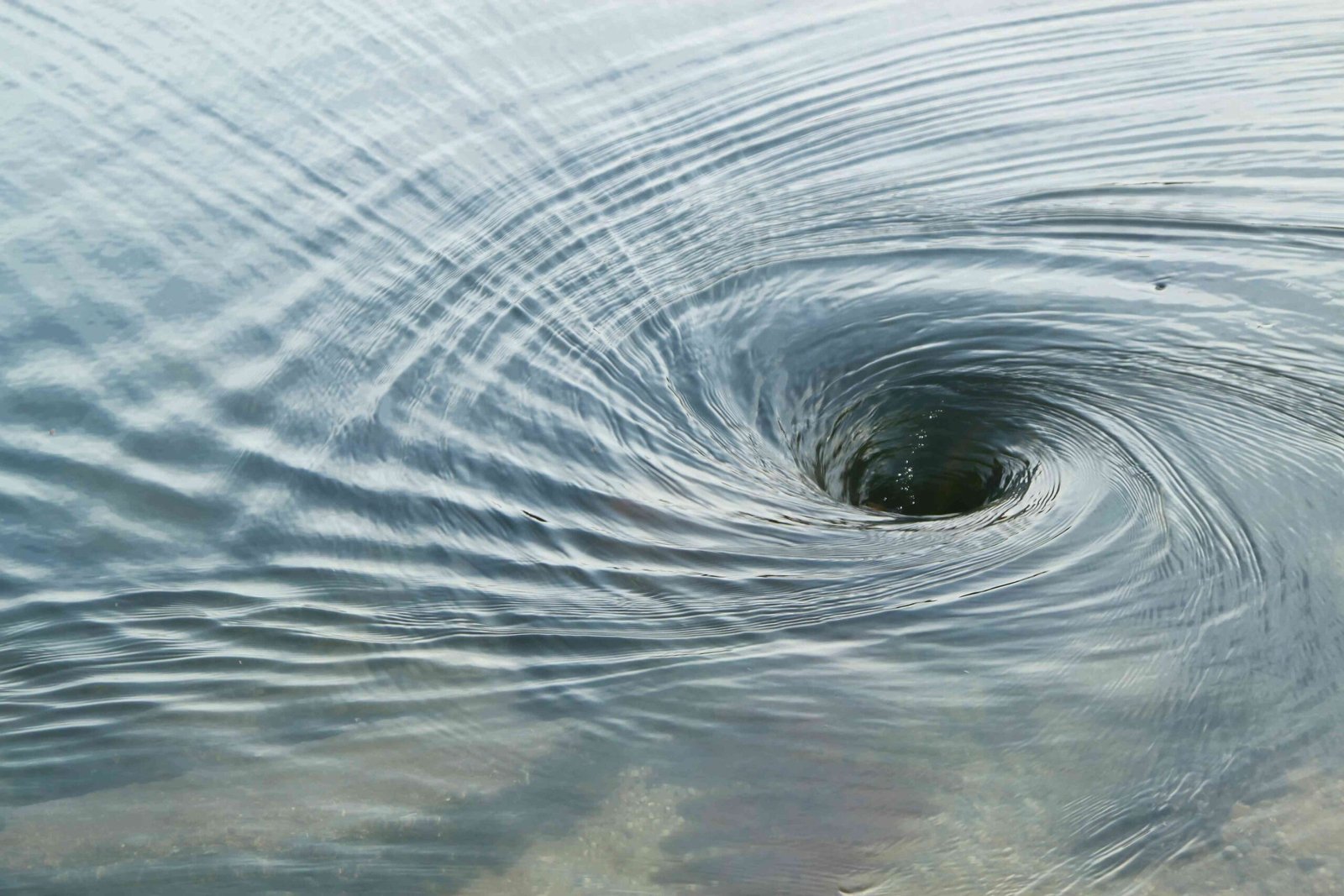
- I et hvirvelstrøm.
- I en orkans enorme spiral, set fra rummet.
- Det samme mønster ses i galakser, i en bregneblads udfoldning og i en nautilus’ skal.
Naturen bruger spiralen til at skabe orden ud af bevægelse. Det er en af hendes ældste former og en af hendes mest pålidelige.
"Vand er drivkraften bag hele naturen," skrev Leonardo da Vinci.
Viktor Schauberger, naturforskeren, så det samme i Østrigs skovbække: vandet skaber orden gennem hvirvlende, spiralformet bevægelse.
Når vandet bevæger sig i en spiral, forvandles den ujævne, tilfældige turbulens til en sammenhængende helhed.
Molekylerne ordner sig i forhold til hinanden og danner et mønster, der afspejler de former, som naturen overalt foretrækker.
En hvirvel er naturens måde at skabe orden ud af turbulens på.
Dette er påviselig væskedynamik – samme fænomen, som naturforskere og fysikere begge har beskrevet.
- VORTEXer er udviklet ud fra netop denne indsigt.
Det samme princip, der får galakserne til at rotere, giver også struktur til et glas vand.
Hvad Du Vil Bemærke
Hæld et glas Levende Vand op og drik det. Hvad lægger du mærke til?
Blødhed: på en måde, som vand fra hanen sjældent er, på en måde, som flaskevand kan være et øjeblik, men ikke kan fastholde.
- Vandet føles mere silkeagtigt og lettere på tungen. Det glider let ned.
- En rundhed, en fylde, der kendetegner vand i sin oprindelige tilstand.
Folk beskriver det på forskellige måder:
- Et typisk vidnesbyrd beskriver vand, der smager som kildevand.
- En anden reaktion er, at det smager renere, som om vandet er blevet "skyllet".
- Nogle siger, at den smager sødere (selvom sukkerindholdet er det samme).
- Ofte drejer kommentarerne sig om, at man simpelthen har det bedre, uden helt at vide hvorfor.
Forskellen ligger i, om vandet har fået lov til at være sig selv, eller om det er blevet behandlet.
I løbet af de næste par timer vender sammenhængen gradvist tilbage. Strukturen slapper af som normalt.
12 til 48 timer, afhængigt af temperaturen og opbevaringsforholdene.